Understanding Crypto Tokens: Key Differences from Cryptocurrency Coins
In recent years, the terms “crypto tokens” and “cryptocurrency coins” have often been used interchangeably, causing some confusion among both seasoned investors and newcomers in the digital financial space. However, understanding the distinction between these two types of digital assets is crucial for anyone looking to navigate and invest wisely in the fast-evolving world of blockchain technology. As you embark on your crypto journey, it’s essential to discern how crypto tokens function and the roles they play within the blockchain ecosystem.
What Are Crypto Tokens?
Crypto tokens are a type of digital asset created on a blockchain platform, typically representing assets or utilities within a particular ecosystem. Unlike traditional currencies, tokens have varied functionalities and purposes. They are usually built on existing blockchains using standards like Ethereum’s ERC-20 or Binance Smart Chain’s BEP-20, which allows developers to create and manage tokens without building everything from scratch.
The Classification of Tokens
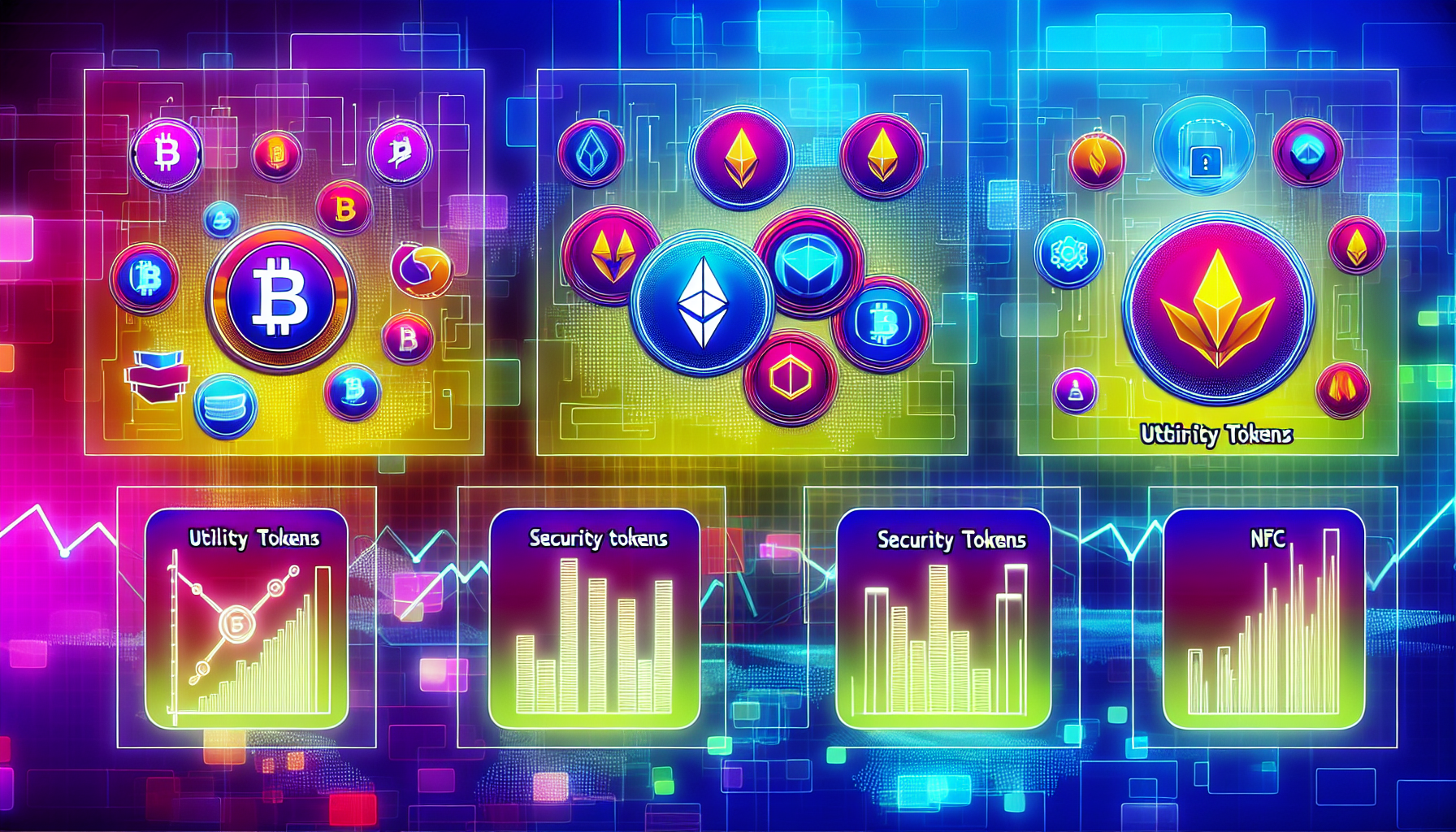
Crypto tokens can be broadly classified into various categories:
- Utility Tokens: These tokens provide users with access to specific products or services within a blockchain network. For instance, Uniswap, a decentralized exchange, uses utility tokens to facilitate and incentivize its operations.
- Security Tokens: Representing ownership in an underlying asset, security tokens are akin to traditional financial securities. They are subject to federal securities regulations, ensuring investor protection.
- Stablecoins: Anchored to traditional currencies like the US Dollar, stablecoins minimize price volatility, offering more stability than typical cryptocurrencies.
- Non-Fungible Tokens (NFTs): These are unique digital assets that represent ownership of a specific item, like art or collectibles. Each NFT is distinct and cannot be exchanged on a one-to-one basis like fungible tokens.
How Tokens Differ from Cryptocurrency Coins
While crypto tokens and cryptocurrency coins may both exist on a blockchain, their core attributes and uses set them apart.
Native Blockchain vs. External Development
Cryptocurrency coins such as Bitcoin or Ethereum are native to their respective blockchains. This means they operate on their designed blockchain networks and are used primarily for transactions, acting as a store of value and a medium of exchange. In contrast, tokens reside on top of an existing blockchain and can represent a variety of assets or have specific utilities.
Use Cases
Coins primarily serve as digital money, whereas tokens have broader use cases, including governance, voting, access to dApps, and investment tools. Take for example the utility token Chainlink (LINK), which is used as an incentive in decentralized oracle networks.
Market Dynamics
Coins are primarily driven by their use in transactions, mining capabilities, and the protocol’s internal economic model. Tokens, on the other hand, are heavily influenced by the project’s success and its community’s engagement.
The Creation and Management of Tokens
Creating a crypto token is often a simpler and less resource-intensive process compared to developing a new blockchain for a cryptocurrency coin.
Smart Contracts
Most tokens are developed through smart contracts, especially on Ethereum. Smart contracts are self-executing contracts with the terms of the agreement directly written into code. They streamline processes by eliminating intermediaries and ensuring transparent execution.
Initial Coin Offerings (ICOs) and Token Sales
Tokens are often distributed through ICOs, which can function as a fundraising mechanism for blockchain projects. By investing in ICOs, investors expect returns as the project’s value appreciates over time.
Conclusion
Understanding the distinction between cryptocurrency coins and crypto tokens is crucial for crypto enthusiasts and investors alike. Both have their unique roles and applications, shaping the digital financial landscape in various ways. As blockchain technology continues to evolve, the dynamic between coins and tokens will likely become more intricate, presenting new opportunities and challenges in the digital economy.
For more in-depth exploration into the realms of cryptocurrency, consider visiting comprehensive resources like Cointelegraph or Coindesk, which provide a wide array of insights and updates on the crypto market.


