Essential Tips for Optimal Digital Asset Security in 2023
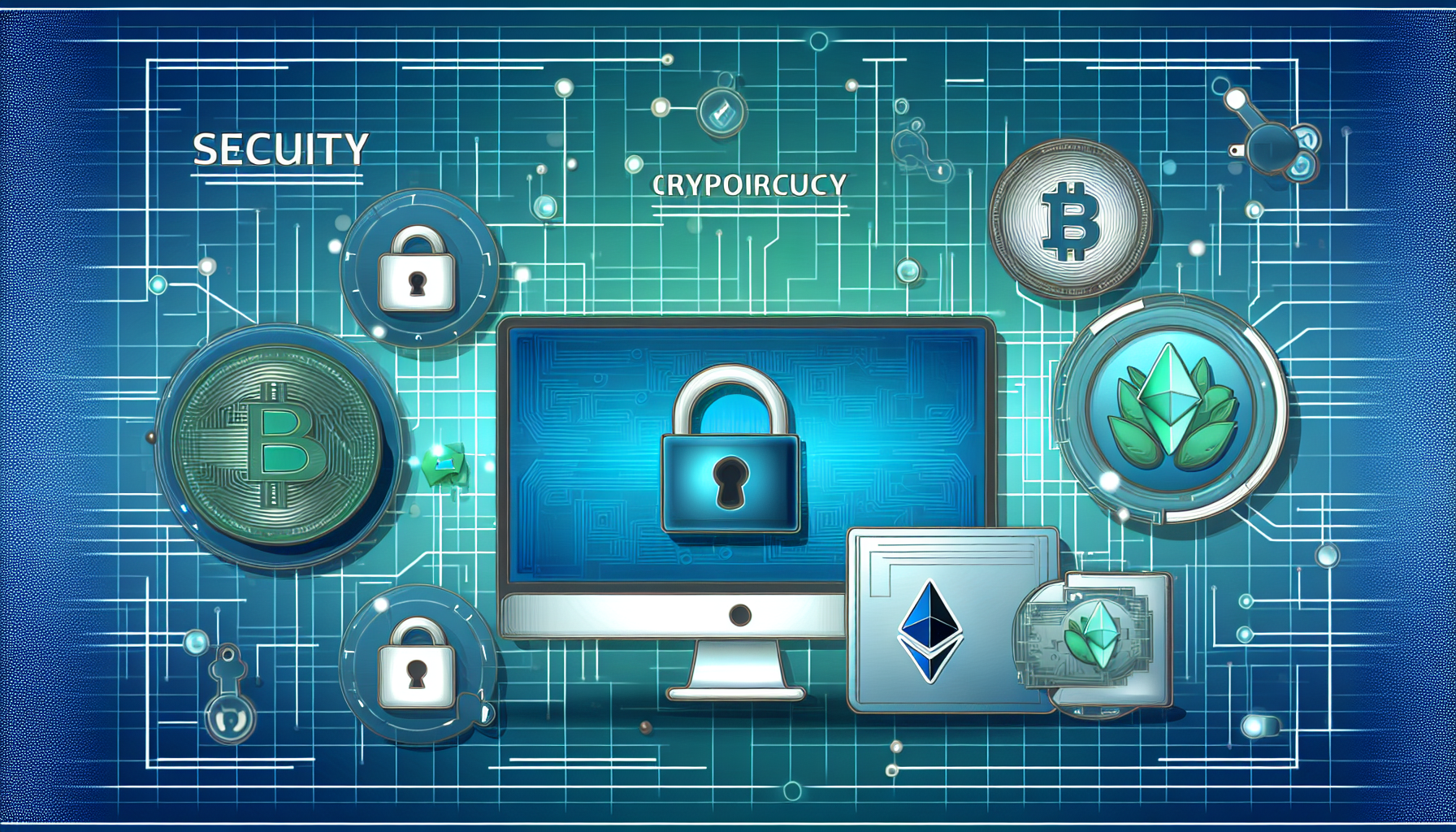
In the fast-evolving landscape of digital assets, security remains a paramount concern for investors and users alike. As the popularity of cryptocurrencies and other digital assets grows, so do the risks associated with them. Protecting your digital assets has never been more crucial, and understanding the essential tips for optimal security in 2023 can make a significant difference.
Understanding Digital Asset Security
Digital asset security involves ensuring the safety of your cryptocurrency, digital tokens, and other virtual assets from theft, hacks, and unauthorized access. Given the increasing number of cyber threats, it’s imperative to stay informed and adopt comprehensive security measures.
Why Digital Asset Security is Crucial
Digital assets operate on decentralized networks, making them highly vulnerable to hacking and cybercrimes. Without proper security protocols, you could lose your investments within minutes. Blockchain technology offers some defense, but individual responsibility in safeguarding private keys is indispensable.
Case Studies of Digital Asset Breaches
There have been several notable breaches, like the Mt. Gox hack in 2014, which resulted in a loss of $450 million worth of Bitcoin. These cases underscore the necessity of robust security measures.
Essential Tips for Optimal Digital Asset Security
1. Use a Hardware Wallet
Hardware wallets, such as Trezor or Ledger, offer an extra layer of protection by storing your private keys offline. Since these keys are never exposed to the internet, they are much harder for hackers to compromise.
2. Enable Two-Factor Authentication (2FA)
2FA adds an additional verification step during the login process. Even if someone obtains your password, they would still need the second form of authentication to access your account. Apps like Google Authenticator and Authy provide reliable 2FA solutions.
3. Keep Your Software Updated
Software updates often include patches for security vulnerabilities. Regularly updating your wallets, operating systems, and any software related to your digital assets helps to protect against fresh threats.
4. Use Strong, Unique Passwords
Passwords are the first line of defense for your accounts. Ensure they are complex, including a mix of letters, numbers, and symbols. Avoid using easily guessable information like birthdays or common words.
5. Be Wary of Phishing Scams
Phishing attacks can lead to unauthorized access to your digital assets. Always double-check the URLs before entering your credentials and avoid clicking on suspicious links. Refer to resources like Phishing.org for tips on recognizing phishing scams.
Recognizable Signs of Phishing
- Unexpected Requests: Receiving unsolicited communications asking for personal information.
- Spelling Errors: Legitimate entities rarely make spelling mistakes in their communication.
- Urgency Tactics: Scammers often create a sense of urgency to trick you into quick actions.
6. Diversify Your Storage
Don’t put all your digital assets in one place. Use a combination of hardware wallets, cold storage, and online services to minimize risk. This way, if one storage method is compromised, you don’t lose everything.
7. Regularly Back Up Your Wallets
Regular backups protect you against technical failures and human errors. Ensure these backups are stored in multiple secure locations, such as encrypted external drives or secure cloud services.
8. Educate Yourself Continually
Cybersecurity threats evolve rapidly, and staying updated on the latest security measures is crucial. Websites like CyberScoop and WeLiveSecurity offer news and insights on current cyber threats and protective strategies.
Reliable Resources to Stay Updated
The Role of Regulation in Digital Asset Security
While personal security measures are vital, regulatory frameworks also play a significant role. Governments and financial institutions are increasingly recognizing the importance of secure and transparent digital asset transactions. Staying compliant with evolving regulations can help mitigate risks.
How Regulations Enhance Security
Regulations can compel exchanges and platforms to maintain higher security standards. For instance, the U.S. Securities and Exchange Commission (SEC) has guidelines that protect investors from fraudulent activities and ensure platform accountability.
Conclusion
Achieving optimal digital asset security in 2023 requires a multi-faceted approach. From using hardware wallets to staying updated on the latest cybersecurity trends, each measure plays a crucial role in safeguarding your assets. As digital assets continue to grow in popularity, ensuring robust security practices will help protect your investments in the ever-evolving digital landscape.